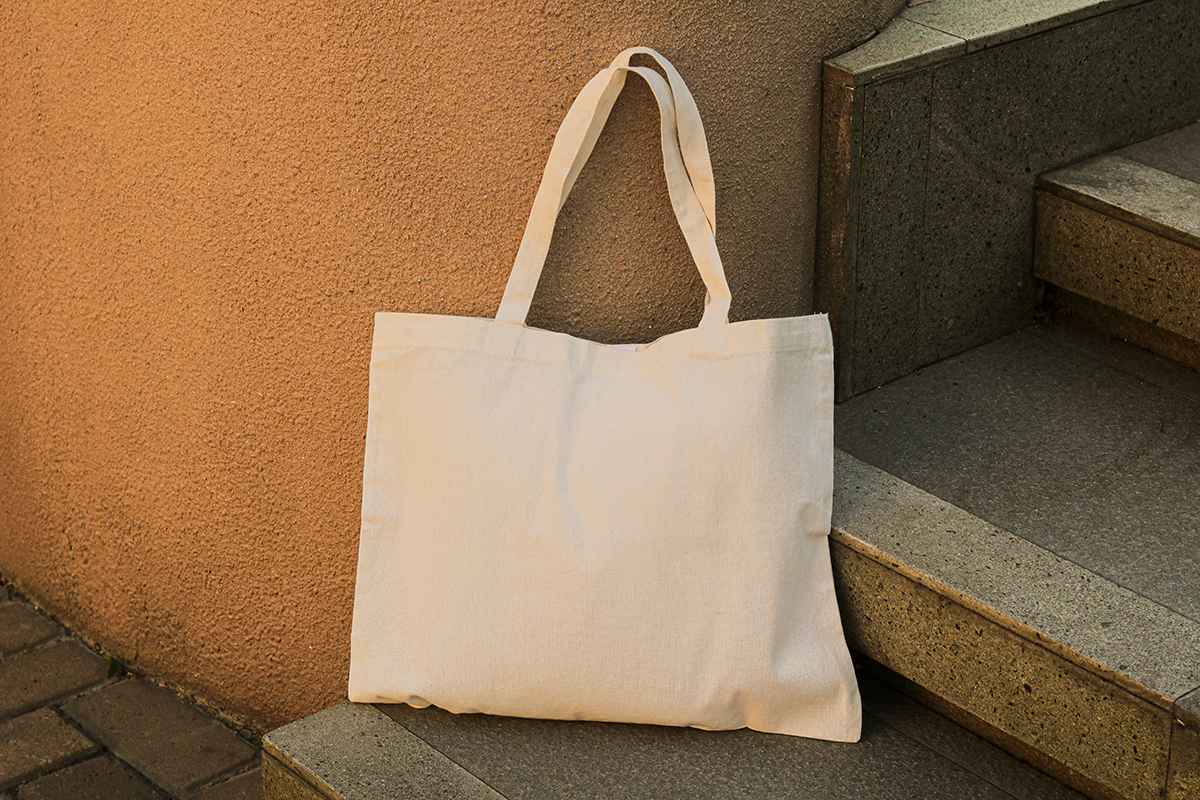
Custom tote bags have become one of the most popular promotional products for businesses, events, nonprofits, and retail brands. They are practical, reusable, highly visible, and offer long term exposure for your logo or message. But not all tote bags are created equal.
One of the most important factors in how professional your tote bags look is the material you choose. The fabric directly affects print sharpness, color vibrancy, durability, and overall appearance. If your goal is to make your design stand out with crisp edges and bold colors, choosing the right material matters just as much as the artwork itself.
Why Print Sharpness Matters for Custom Tote Bags
When people receive a tote bag, they immediately judge your brand based on how it looks and feels. A sharp, well printed logo gives the impression of quality, professionalism, and attention to detail. A blurry or faded design has the opposite effect.
Print sharpness affects:
Brand recognition
Readability of text
Perceived value of your product
How long the design looks good with repeated use
Whether customers actually carry and reuse the bag
This season, crewnecks are going beyond basic cotton. Think soft fleece blends, eco-conscious materials, and oversized fits that bring a modern, laid-back vibe. If your business wants to sell or gift apparel, this is the must-have piece of 2026.
Factors That Affect How Sharp a Tote Bag Prints
Before diving into materials, it helps to understand what actually makes a print look crisp.
Surface texture: Smoother fabrics allow ink to sit evenly, producing sharper lines.
Ink absorption: Some fabrics absorb more ink and cause slight bleeding at the edges.
Fiber thickness: Thick fibers can prevent clean edges on detailed designs.
Weave tightness: Tighter weaves hold ink more precisely.
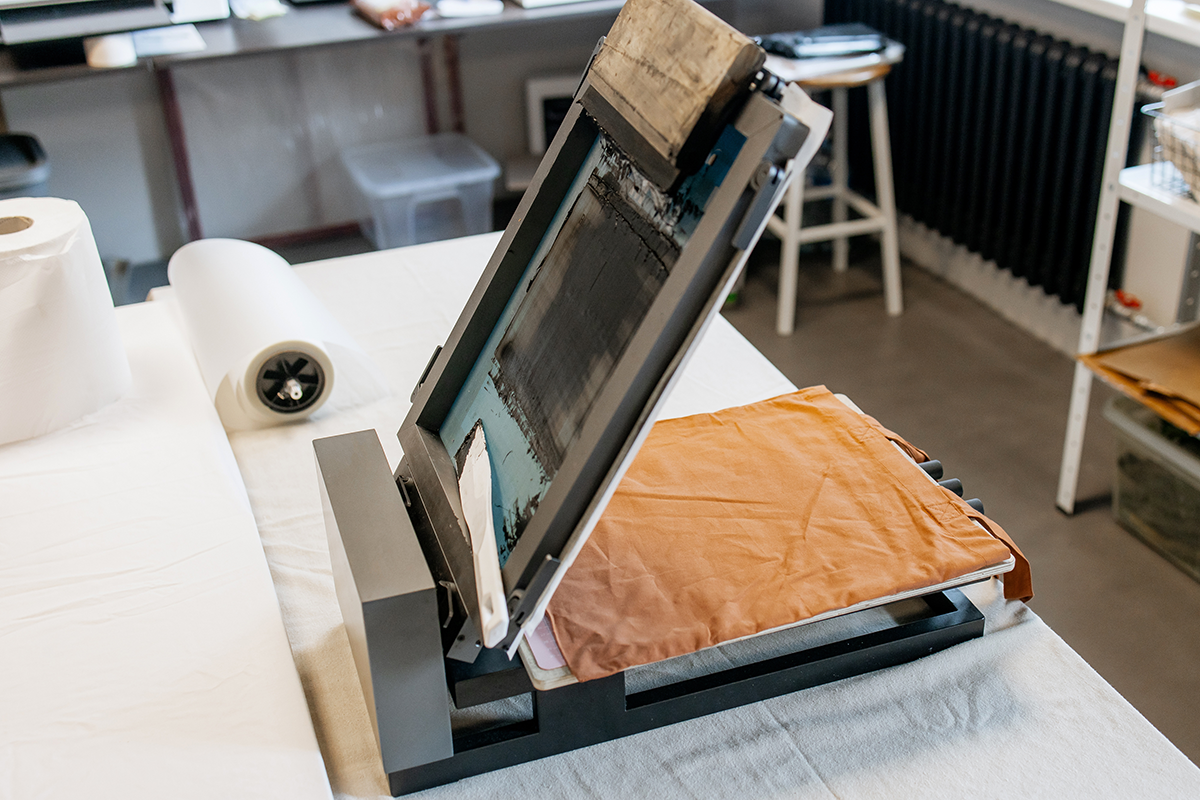
Printing method: Screen printing, heat transfer, and digital printing all interact differently with fabric textures.
With that in mind, let’s compare the most common tote materials.
100 Percent Cotton Tote Bags
Print Sharpness Rating: Good to Very Good
Cotton tote bags are one of the most widely used options for promotional printing. They are affordable, lightweight, and easy to customize.
Advantages for Printing
Smooth surface compared to many blends
Accepts water based and plastisol inks well
Soft feel that customers like
Works well for simple logos, bold graphics, and text
Limitations
Can absorb ink slightly, softening very fine details
Thinner cotton bags may show ink saturation through the fabric
Wrinkles easily, which can affect printing alignment
Best for: Event giveaways, farmers markets, bookstores, schools, and casual promotional use.
Canvas Tote Bags
Print Sharpness Rating: Excellent
Canvas is one of the sharpest printing materials available for custom tote bags. It is thicker than standard cotton and tightly woven.
Advantages for Printing
Smooth, durable surface
Holds crisp edges on detailed designs
Colors appear bold and saturated
Excellent durability for repeated use and washing
Premium look and feel
Limitations
Higher cost than basic cotton
Heavier weight may not be ideal for all uses
Best for: Retail merchandise, branded boutiques, high end promotional campaigns, and resale products.
If you are looking for the sharpest overall print result, canvas is consistently the top choice.
Cotton Poly Blend Tote Bags
Print Sharpness Rating: Very Good
Blended tote bags combine cotton and polyester fibers to balance softness, durability, and price.
Advantages for Printing
Smoother than basic cotton
Less wrinkling
Better shape retention
Good color vibrancy
Limitations
Slightly less crisp than canvas on fine line detail
Ink behavior can vary by blend ratio
Best for: Corporate giveaways, branded swag, employee welcome kits, and conference tote bags.
Polyester Tote Bags
Print Sharpness Rating: Fair to Very Good Depending on Method
Polyester is widely used in performance apparel and lightweight totes. The printing method matters greatly here.
Advantages for Printing
Very smooth surface
Resistant to shrinking and wrinkling
Lightweight and durable
Limitations
Standard screen printing can sometimes crack
Heat transfer printing is often required for best detail
Ink adhesion depends on coating and fabric finish
Best for: Sports events, trade shows, promotional giveaways where light weight matters.
With proper print techniques, polyester can look very sharp, but it requires the right setup.
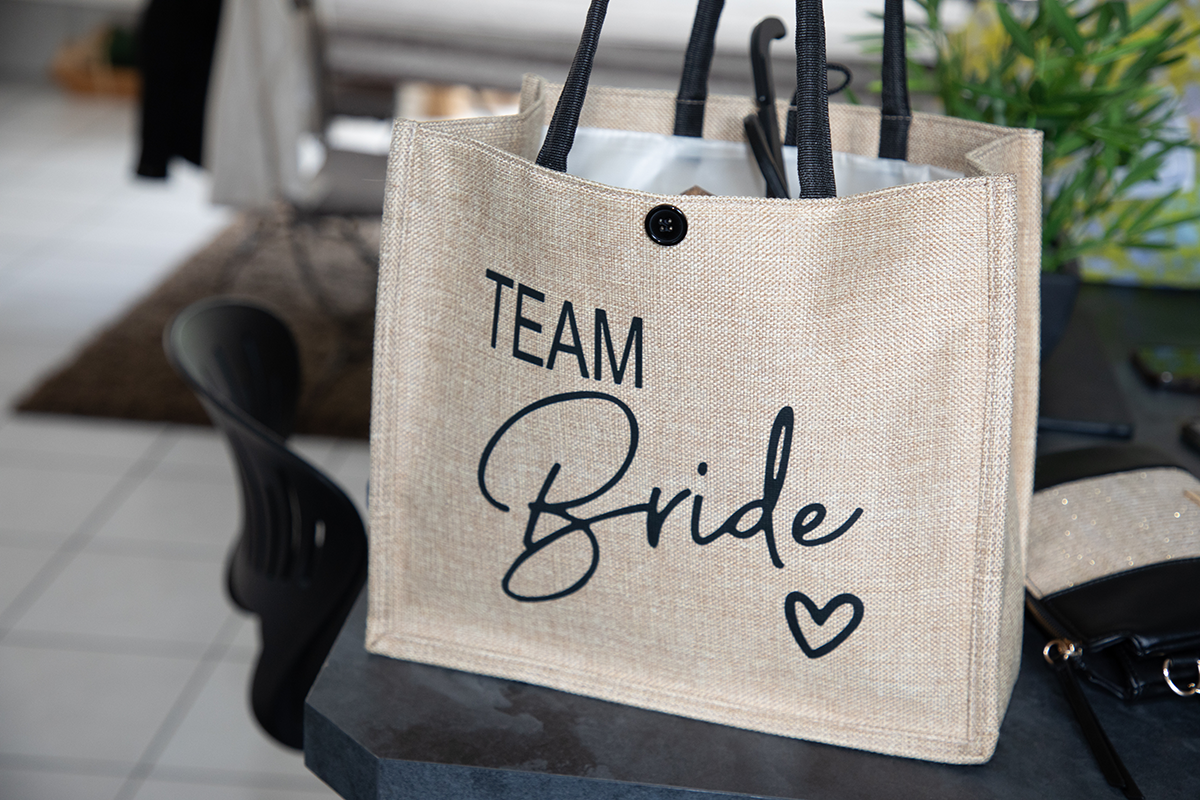
Jute and Burlap Tote Bags
Print Sharpness Rating: Low
Jute and burlap have become trendy for eco focused branding, but they are not ideal for crisp prints.
Advantages for Printing
Natural, organic appearance
Eco friendly appeal
Unique rustic texture
Limitations
Very rough weave
Ink spreads easily
Fine details often disappear
Best results only with large, bold designs
Best for: Farm markets, organic brands, wineries, rustic retail, and large logo designs only.
These look best with minimalistic artwork and bold shapes.
Non-Woven Polypropylene Tote Bags
Print Sharpness Rating: Good
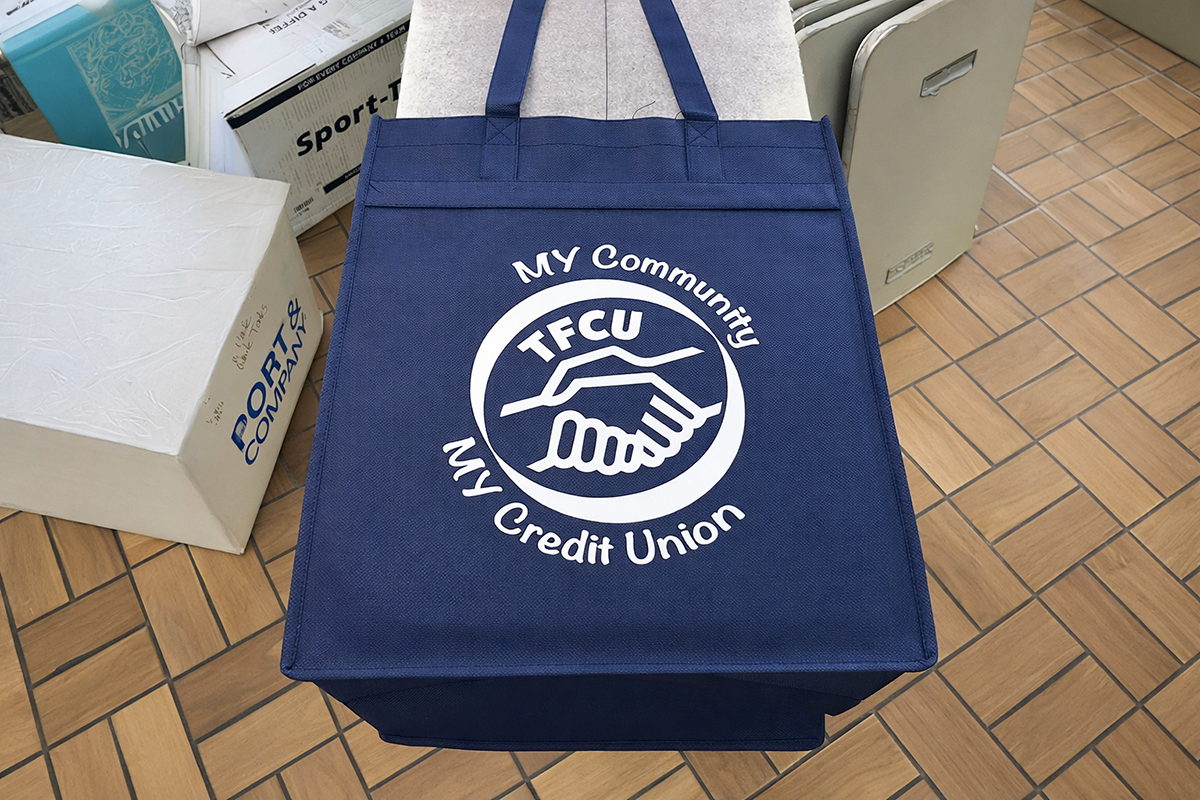
These are the lightweight reusable grocery style bags often used for bulk promotions.
Advantages for Printing
Smooth treated surface
Accepts bold ink well
Inexpensive
Great for large volume orders
Limitations
Not ideal for fine detail
Ink adhesion is not as permanent
Lower perceived quality
Best for: Trade shows, grocery promos, large event handouts, and budget friendly campaigns.
Which Tote Bag Material Prints the Sharpest Overall
If the goal is maximum print clarity, crisp edges, and long-term durability, the ranking looks like this:
Canvas tote bags
Cotton poly blend totes
High quality cotton totes
Polyester totes with heat transfer
Non-woven polypropylene
Jute and burlap
Canvas remains the industry leader when it comes to sharp printing results and premium presentation.
How Design Style Affects Material Choice
Your artwork also plays a major role in which material you should choose.
Fine text & detailed logos: Canvas or cotton poly blend
Large bold designs: Cotton, canvas, or non-woven polypropylene
Photographic style prints: Polyester with heat transfer
Rustic branding: Jute or burlap
High resale merchandise: Canvas always performs best
Matching your artwork to the right fabric ensures your investment actually delivers the quality you expect.
Why Sharp Printing Matters for Business Branding
Every tote bag you distribute becomes a walking advertisement. A sharp, professional looking design increases:
Brand trust
Customer recall
Willingness to reuse the bag
Perceived product value
Long term marketing visibility
A low-quality print might get carried once or twice. A sharp canvas tote often becomes a favorite everyday bag that promotes your business for years.
When Sharp Prints and Durability Matter Most
Custom tote bags are one of the most powerful promotional tools available when done correctly. Choosing the right material makes the difference between a blurry giveaway and a premium brand asset. For the sharpest prints, strongest durability, and highest perceived value, canvas tote bags consistently deliver the best results, followed closely by cotton poly blends and high-quality cotton.
If you want expert guidance on choosing the right tote bag material and printing method for your design, contact us today! Working with a local printer ensures your artwork stays crisp, your turnaround stays fast, and your finished product looks every bit as professional as your brand.